Ericaceous Compost
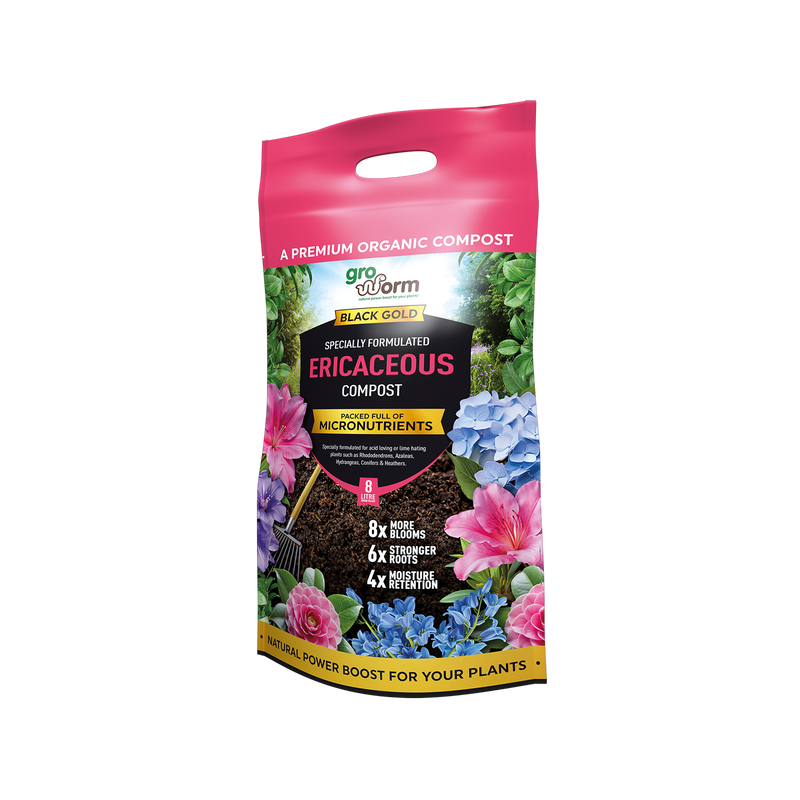
Ericaceous compost is a low-pH growing medium made for acid-loving plants like rhododendrons, azaleas, camellias, blueberries and acers. Gro Worm's ericaceous blend is enriched with pure worm casts and includes added iron, so foliage stays deep green rather than yellowing.
Not sure if you need it? If you are growing rhododendrons, azaleas, camellias, blueberries, heathers, pieris or acers, you do. Everything else is happier in multipurpose compost.
Growing acid-loving plants: common questions
What is ericaceous compost?
Ericaceous compost is simply compost with a low pH, which makes it acidic. Ordinary multipurpose compost sits close to neutral, around pH 6.5 to 7, and that suits most plants perfectly well. A group of plants known as ericaceous or calcifuge plants cannot cope with that. They evolved on acidic woodland and moorland soils, and in neutral or alkaline conditions their roots simply cannot take up the nutrients they need, particularly iron.
The name comes from Ericaceae, the plant family that includes heathers, rhododendrons and blueberries. In practice the term now covers any plant that needs acidic conditions, whether or not it belongs to that family botanically.
If you have ever bought a healthy-looking camellia, potted it into normal compost and watched it slowly turn yellow and sulk, this is why.
Which plants need ericaceous compost?
The main ones are rhododendrons, azaleas, camellias, blueberries, cranberries, heathers, pieris, magnolias and skimmia. Japanese maples, usually sold as acers, also do considerably better in acidic conditions, which is why acer feed and ericaceous feed are often the same thing.
Hydrangeas are the interesting exception. They will grow perfectly well in ordinary compost, but soil pH controls their flower colour. In acidic conditions the plant can access aluminium and the flowers turn blue. In neutral or alkaline conditions they come out pink. So if you want blue hydrangeas, ericaceous compost is how you get them, and you will need to keep the pH down year after year rather than doing it once.
What makes Gro Worm ericaceous compost different?
Ours is enriched with pure worm casts. Worm casts improve the structure of the compost, help it hold moisture without becoming waterlogged, and make nutrients more readily available to the plant. Most ericaceous composts do not contain them.
We also add iron. Acid-loving plants suffer when they cannot access iron, and the added iron works alongside the low pH to keep foliage deep green rather than yellowing.
Why do acid-loving plants turn yellow?
Yellowing leaves with green veins is almost always lime-induced chlorosis, and it is a nutrient access problem rather than a nutrient shortage. When the pH around the roots is too high, iron in the compost becomes locked into a form the plant cannot absorb. The iron is there. The plant simply cannot reach it.
The leaves lose their chlorophyll and pale from the edges inward while the veins stay green, which is the classic signature. Left long enough, growth slows and flowering suffers.
If you are growing in a hard water area, it is worth watering with rainwater where you can, because tap water carries dissolved lime that gradually raises pH in the pot.
How do you pot an acid-loving plant?
Choose a pot at least a third wider than the root ball, and make sure it drains freely. Acid-loving plants dislike sitting in water almost as much as they dislike lime.
Fill the base with ericaceous compost, sit the plant in so the top of the root ball is level with the compost surface rather than buried, then fill around the sides and firm gently. Water it in thoroughly.
For plants going into open ground, dig a generous hole and backfill with ericaceous compost mixed into the native soil. Be realistic though. If your garden soil is naturally alkaline, a pot is a far more reliable long-term home than a border, because surrounding soil will gradually pull the pH back up whatever you add.
When should you feed acid-loving plants?
Feed from early spring through to late summer, while the plant is actively growing, and stop over winter when it is dormant. Compost holds enough nutrition for the first several weeks after potting, so there is no need to feed straight away.
Rhododendrons, azaleas and camellias set next year's flower buds shortly after this year's flowers fade, so the weeks immediately after flowering are the most valuable time to feed. Blueberries want steady feeding through the growing season to size up fruit.
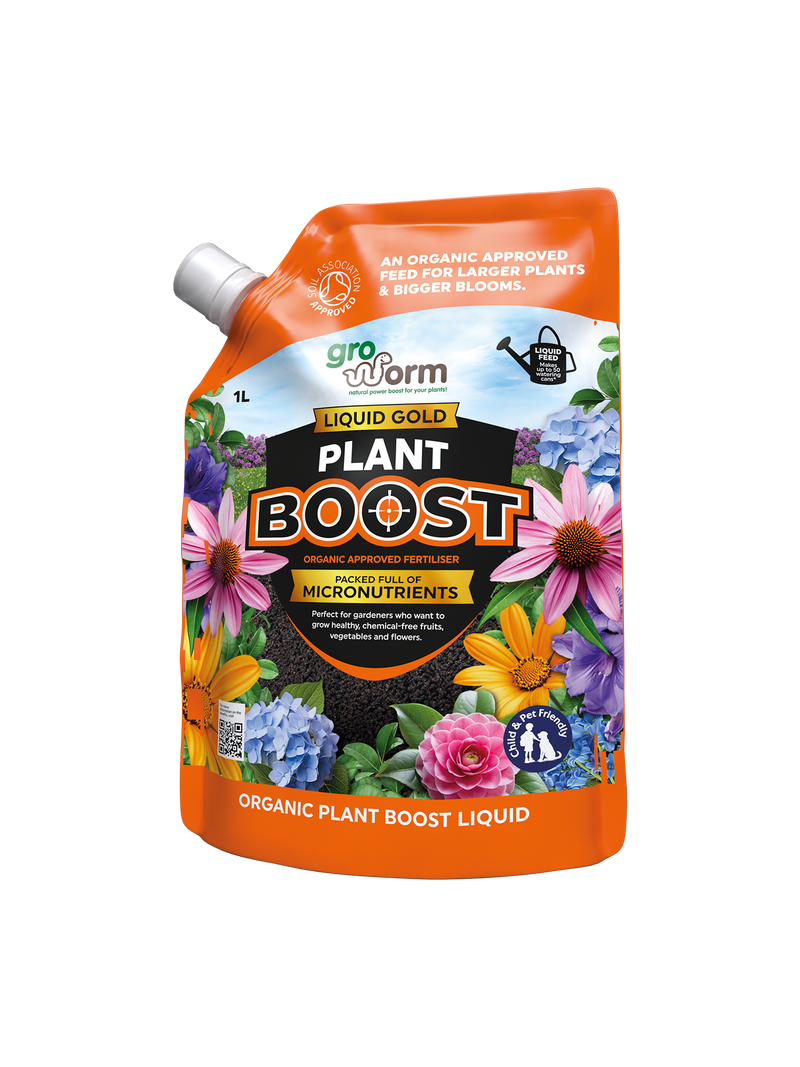
Use an ericaceous feed rather than a general plant food. Ordinary feeds are formulated for neutral conditions and will gradually raise the pH in the pot, undoing the compost you started with.